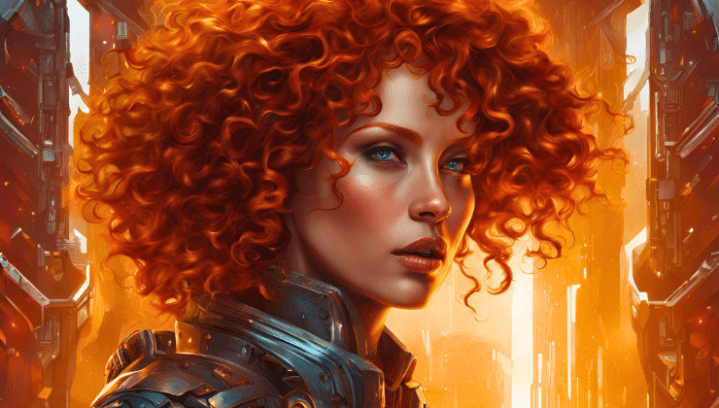
Tabitha, by Andrew Hall, is a post apocalyptic novel published in 2014. It focuses on a woman in a small Welsh seaside town and how she copes with the end of the world. Part cosy catastrophe, part (heartbreaking) alien invasion, this debut novel explores themes of love, loss, grief and self realisation. It was a pick in my book club, and the author attended our discussion.
Synopsis
Nothing could prepare Tabitha Jones for the dead infested world she woke up to. Robbed of her loved ones and altered by the venom of an alien species, she’s forced to leave her old life behind and survive the ruins of Earth.
Haunted with grief and pursued relentlessly by monstrous swarms and desperate survivors, Tabitha must face her own changing nature and ever-evolving abilities as she searches for the remnants of civilisation.
The Novel
The Author has a gift for quickly sketching out characters that you become instantly attached to. Dev, Will, Liv and Laika were beautifully rendered – and I particularly liked the chapters told from the dog’s perspective.
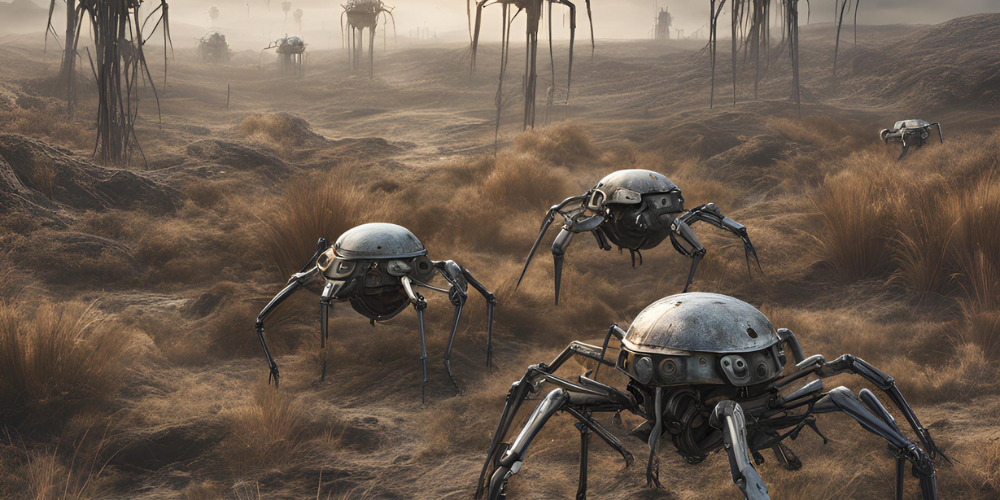
The initial alien Tabitha encounters – somewhere between a spider and a robotic triffid – is beautifully described and genuinely chilling. The aliens in the sea are very reminiscent of The Kraken Wakes by John Wyndham.
However I found the mundane, human villains more frightening, in their way, than any of the actual aliens. One character reminded me of a small side character in Terry Pratchett’s Hogfather. A small, weak bully, too cowardly to actually bully, so just makes everyone else’s life a bit harder.
Feminist Elements

The author may disagree with me, but I think Tabitha is a relatively feminist novel.
The book managed to avoid several offensive tropes that other apocalyptic / fantasy media tend to fall into.
The novel passes the Bechdel test. There are multiple female characters, who have regular conversations between themselves. The women talk about guns, supply runs and food, not men. There’s a wonderful example of female friendship, and when a potential love triangle emerges, it doesn’t come between them.
The female protagonist was – in the author’s own words – a bit of a loser pre apocalypse. She also has emotions, gets attached, even cries. The author also avoids the offensive and reductive tropes of women = mother, and ‘women are too emotional to handle power’.
The women aren’t instant killing machines, but neither are the male characters. There’s some expectation subversion as one of the best shots in a group is an older woman – and it makes sense in a British post apocalypse because she’s from the countryside. None of the other characters would have been likely to handle a gun before the turn.
“Because everyone treated me like the babysitter, and never bothered to bloody well ask.”
There is only one threatened instance of sexual assault. It isn’t successful, it isn’t graphic and it isn’t character defining. I personally hate Rape As Plot Device, and was glad to see a male author avoid it, especially in the post apocalyptic genre.
Catholicism
The novel has some Catholic themes:
- The protagonist rises after three days, transformed.
- The consumption of blood and flesh.
- Humanity are struggling in a fallen world.
- The struggle between good and evil.
- An actual crucifixion.
- Nature is sacred and holy.
- Suffering is redemptive.
- The pilgrim’s journey.
- Ascension.
Room for Improvement

The author’s view of the apocalypse is rather cynical. Moral and societal collapse is almost instant. I would have liked to see Tabitha interact with more friendly or neutral survivors over the course of the novel. Even if those survivors were ultimately unsuccessful, or overrun, it would have been interesting to see more surviving pockets of society.
“Five Rejects and a bloody dog, that’s civilisation is it?”
For example, Tabitha encounters a seemingly nice Village of the Damned. The denizens want to eat her dog, (and their leader Rose is practically salivating at the idea of eating Tabs, too). In book group, we discussed the the idea that the good people from the village have simply left – I liked that idea. But it would have been nice to see another group that tried farming and hunting, rather than immediately resorting to worst case scenario behaviour.
Apart from that the pacing in Tabitha could do with tightening up, particularly toward the end, and the bigger, later encountered monsters are less well described than the spiders or watchers. As such they lose a little impact.
In the End
I very much enjoyed Tabitha, and read it in one sitting. I will be purchasing the sequels. It’s a genuinely impressive debut novel and with a bit of tightening up could be even better. Would recommend, 4 stars.
 COPPER LANTERN BOOK REVIEWS
One thought on “Tabitha by Andrew Hall – A Review”